
The Best Materials for Sustainable Packaging
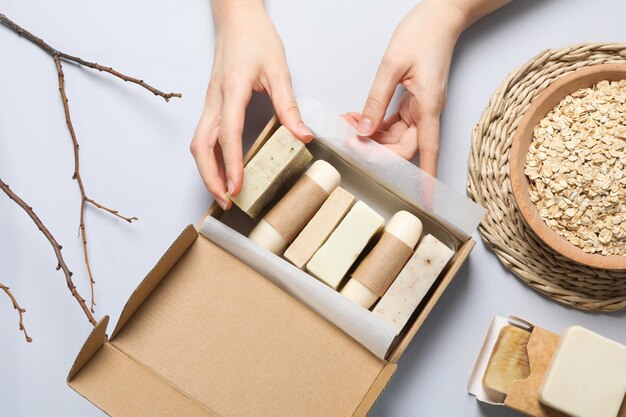
The global shift toward sustainability has revolutionized the packaging industry. Consumers are more eco-conscious than ever, prompting businesses to adopt greener alternatives. Selecting the best sustainable packaging materials is no longer just an ethical decision—it’s a strategic move toward long-term viability.
From compostable bioplastics to innovative plant-based alternatives, sustainable packaging solutions continue to evolve. These materials not only minimize environmental impact but also align with consumer expectations for responsible production.
1. Biodegradable Options Guide: Nature’s Answer to Waste
Traditional plastics take centuries to decompose, polluting landfills and oceans. Biodegradable materials, on the other hand, break down naturally, leaving little to no ecological footprint. Here’s a biodegradable options guide for brands looking to reduce their environmental impact.
1. Plant-Based Plastics (PLA & PHA)
Polylactic Acid (PLA) is derived from renewable resources such as corn starch or sugarcane. It looks and functions like conventional plastic but decomposes within months in industrial composting conditions. Polyhydroxyalkanoates (PHA), another plant-based alternative, is produced by microorganisms and breaks down even in marine environments, making it a promising solution for ocean pollution.
2. Mushroom Packaging
Fungi-based packaging is an extraordinary innovation that utilizes mycelium—the root structure of mushrooms—to create biodegradable packaging. It’s lightweight, durable, and decomposes in soil within 30–60 days. Large companies, including Dell and IKEA, have already integrated mushroom-based protective packaging into their supply chains.
3. Seaweed-Based Packaging
Seaweed is a natural, renewable resource with immense packaging potential. Some startups are now producing edible and compostable seaweed-based films and sachets, eliminating single-use plastic waste. This material not only biodegrades quickly but also absorbs carbon dioxide as it grows, making it a highly sustainable choice.
4. Recycled Paper & Cardboard
One of the simplest yet most effective sustainable materials is recycled paper and cardboard. These materials are biodegradable, compostable, and can be sourced from post-consumer waste. When combined with soy-based inks and water-soluble adhesives, recycled paperboard packaging becomes an entirely eco-friendly solution.
2. Eco-Conscious Material Selection: Choosing the Right Fit
With so many green alternatives available, brands must make informed choices about packaging materials. Eco-conscious material selection involves balancing sustainability, durability, and functionality.
1. Compostable vs. Recyclable Materials
Not all sustainable materials serve the same purpose. Some are designed to break down completely, while others are meant to be reused. Compostable materials like PLA and mushroom packaging are ideal for food and single-use applications. Recyclable materials, such as aluminum and glass, are better suited for long-term use and closed-loop recycling systems.
2. Sustainable Glass & Aluminum
Although glass and aluminum are not biodegradable, they are highly sustainable due to their infinite recyclability. Glass packaging preserves product freshness, making it an excellent choice for food and beverage industries. Aluminum is lightweight, corrosion-resistant, and often used for cans and cosmetic containers. Both materials significantly reduce waste when properly recycled.
3. Hemp-Based Packaging
Hemp is gaining traction as a sustainable packaging alternative due to its fast growth rate and durability. Hemp fiber can be processed into biodegradable plastic-like materials or strong, flexible paper packaging. Unlike traditional wood pulp, hemp cultivation requires minimal water and no pesticides, making it a truly eco-friendly choice.
4. Minimalist & Refill-Friendly Packaging
Sustainability isn’t just about material selection—it’s also about reducing overall packaging waste. Minimalist packaging designs that eliminate excess materials contribute to a greener supply chain. Refillable and reusable packaging options, such as glass bottles with refill stations, further reduce environmental impact while enhancing customer engagement.
3. Future-Proof Packaging Solutions: Innovations in Sustainability
The packaging industry is rapidly evolving, with new advancements continuously reshaping the landscape. Brands that invest in future-proof packaging solutions not only minimize waste today but also prepare for a greener tomorrow.
1. Smart Packaging with Biodegradable Sensors
Technology and sustainability are converging with the rise of smart packaging. Some biodegradable packaging now incorporates sensors that track freshness, temperature, and expiration dates. These intelligent solutions help reduce food waste while maintaining product quality.
2. Water-Soluble Packaging Films
Water-soluble films, made from polyvinyl alcohol (PVA), dissolve completely when exposed to water, leaving no residue behind. These are commonly used for single-use detergent pods and food packaging, offering an innovative way to eliminate plastic waste.
3. Upcycled Materials & Waste Reduction
Upcycling transforms industrial waste into new packaging materials. Coffee husks, agricultural byproducts, and discarded textiles are being repurposed into sturdy, eco-friendly packaging. By leveraging waste materials, companies can reduce landfill contributions while creating unique, sustainable packaging designs.
4. Algae-Based Bioplastics
Algae bioplastics are emerging as one of the most promising sustainable packaging materials. Unlike traditional bioplastics that rely on agricultural crops, algae can grow in non-arable land, reducing competition with food production. These materials are biodegradable, lightweight, and require minimal resources to produce.
Final Thoughts
Sustainability in packaging is no longer a trend—it’s a necessity. Businesses that prioritize best sustainable packaging materials contribute to a healthier planet while meeting consumer demand for eco-friendly products. A well-rounded biodegradable options guide includes plant-based plastics, fungi-based alternatives, and compostable paper. Thoughtful eco-conscious material selection ensures that brands choose the right balance between functionality and environmental responsibility. And by investing in future-proof packaging solutions, companies can stay ahead of the curve, embracing innovations that will shape the future of sustainable packaging.
The journey toward sustainability begins with a single choice. Choosing eco-friendly packaging today ensures a greener, more responsible tomorrow.


